Who We Serve
Women
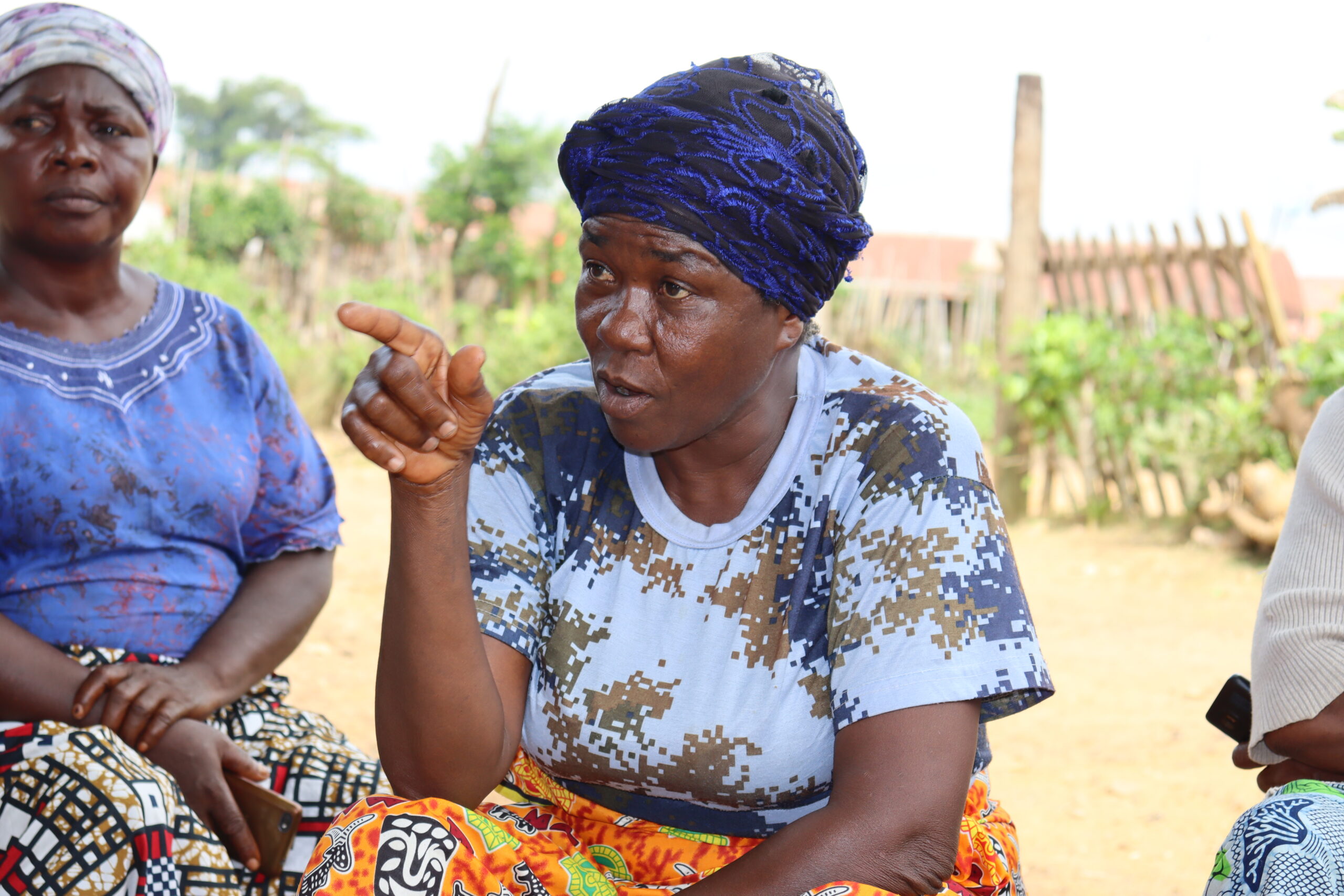
JUTO primarily serves rural women living in extreme poverty, equipping them with the tools to build sustainable livelihoods through entrepreneurship. In Liberia, over 64% of women live below the national poverty line (World Bank, 2022), and they are disproportionately affected by limited access to financial services, land rights, and educational opportunities. Our poverty graduation approach enables them to move beyond survival, become income earners, and transform into confident providers and community leaders. As they graduate from poverty, these women not only change their own lives but also uplift their families and strengthen their communities
YOUTH
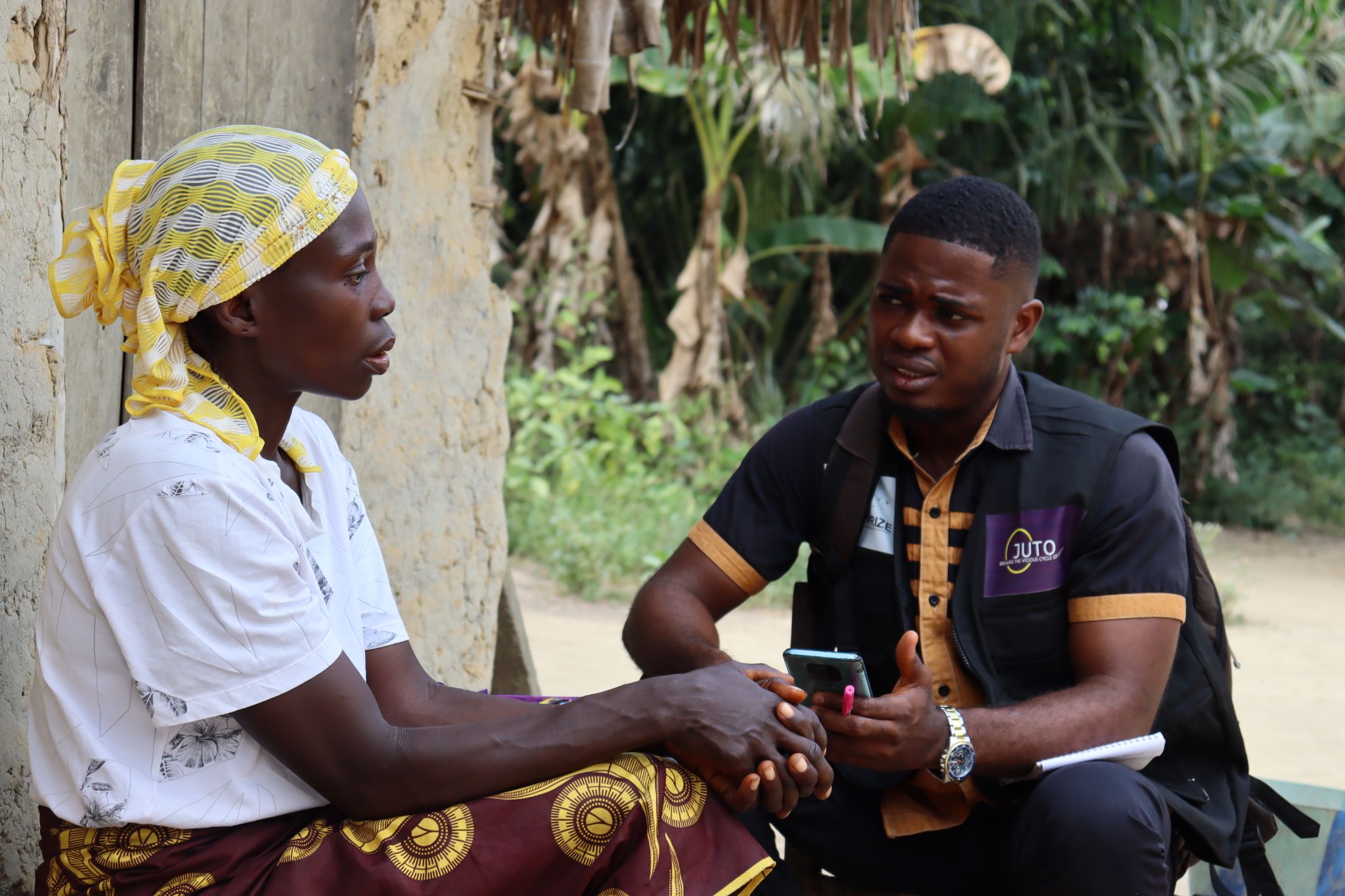
Liberia’s youth make up more than 60% of the population under the age of 25, with high unemployment and underemployment rates—particularly in rural areas (UNDP, 2023). JUTO recognizes the untapped potential of youth in rural Liberia and is committed to shaping them into agents of change in the fight against poverty. We target vulnerable and unemployed youth, many of whom face limited access to education, skills, and income-generating opportunities. Through our program, youth receive tailored entrepreneurship training, access to mentorship, and opportunities to launch microenterprises that align with their talents and interests. This approach instills a sense of purpose, self-reliance, and civic responsibility.
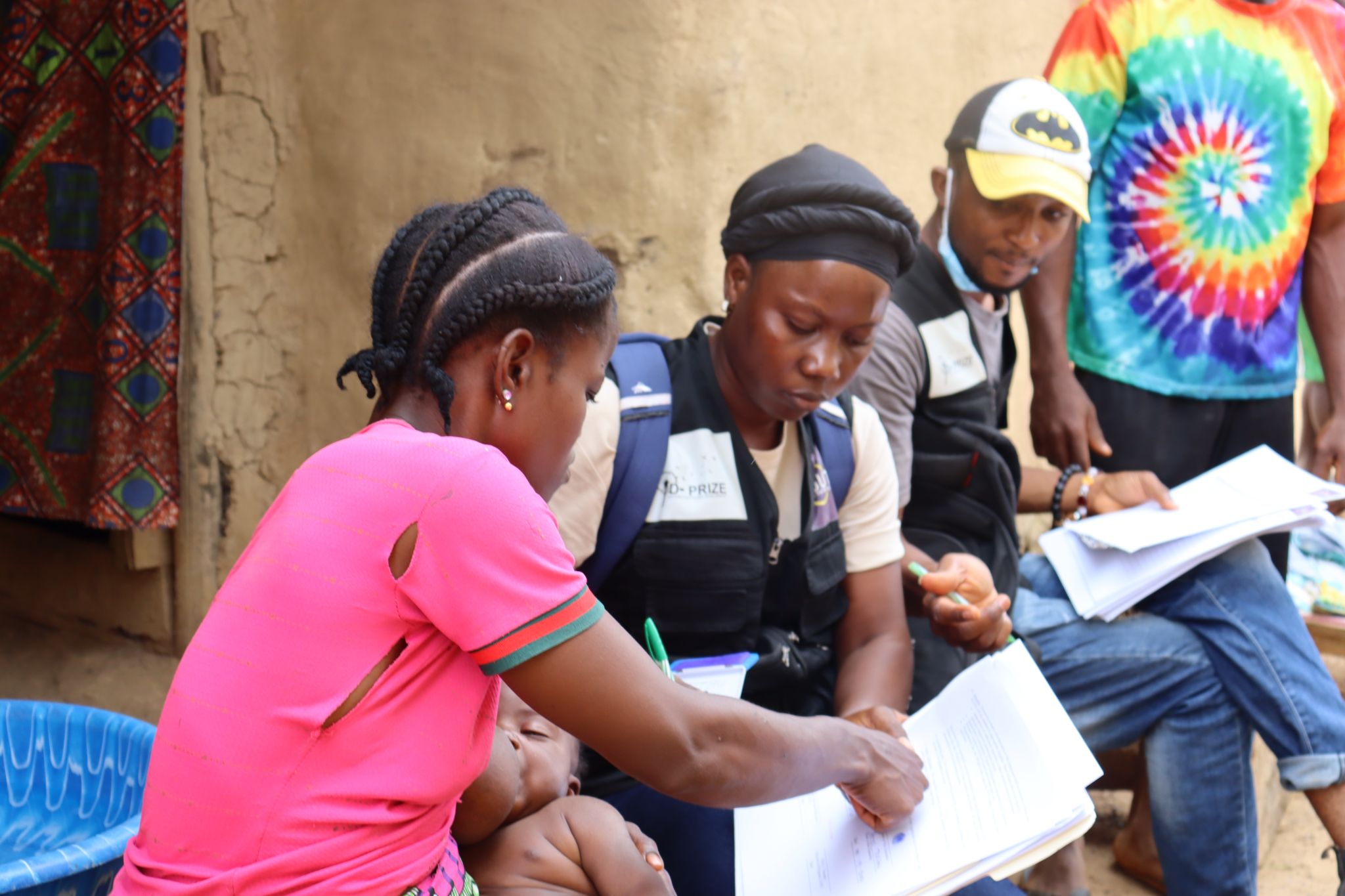
Refugees and Internally Displaced Persons (IDPs)
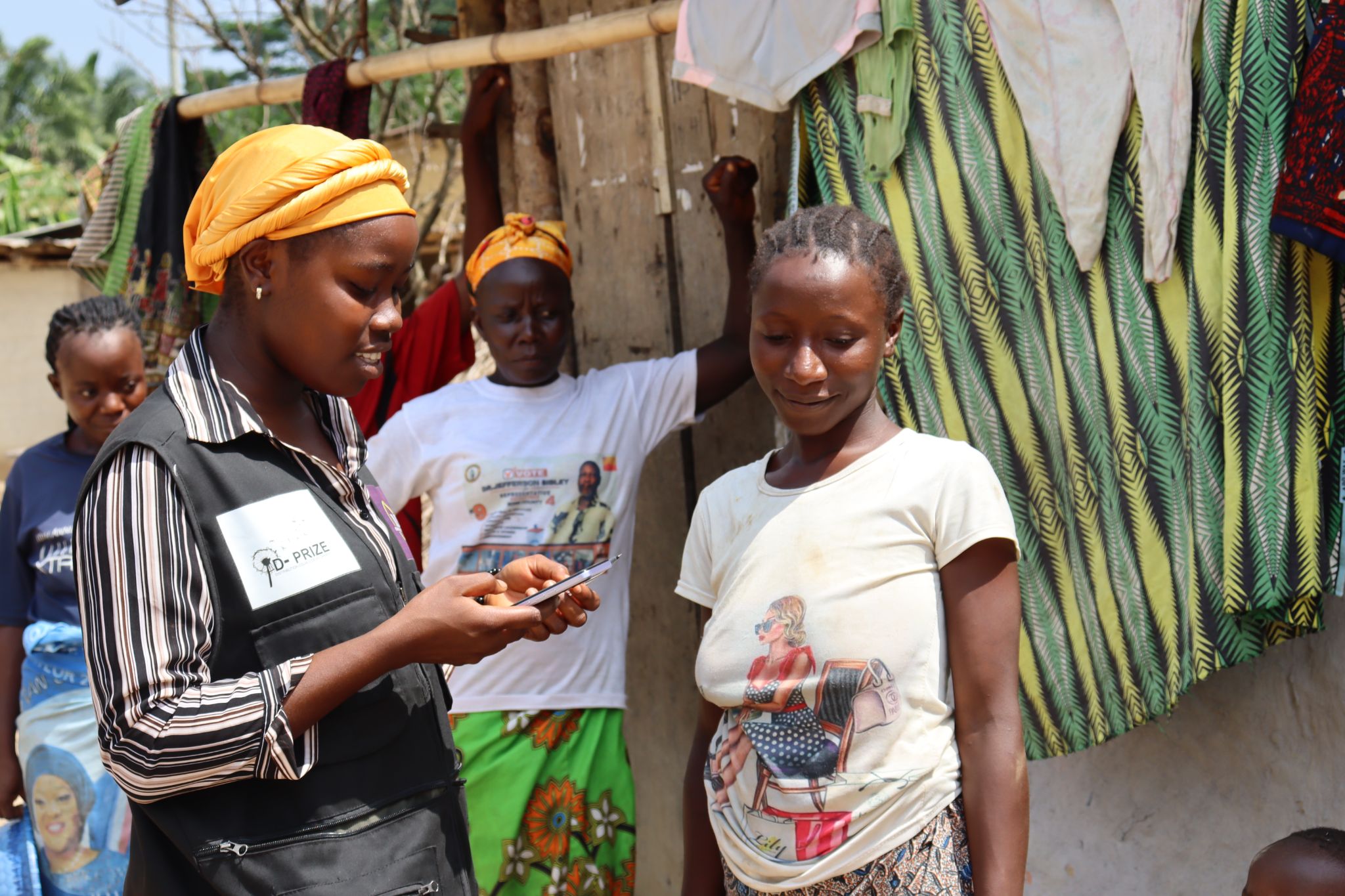
JUTO stands in solidarity with refugees and internally displaced persons (IDPs) who face compounded vulnerabilities due to conflict, displacement, and loss of livelihood. Liberia continues to host and resettle thousands of refugees and returnees, many of whom face economic exclusion, social marginalization, and trauma. According to UNHCR, over 20,000 Ivorian refugees reside in Liberia, with Bong County being one of the key host regions. Our program offers these individuals a dignified pathway to recovery and economic stability. We integrate displaced populations into our poverty graduation model, providing trauma-informed entrepreneurship training, psychosocial support, and start-up capital tailored to their specific circumstances.